
Brussels · 9 June 2026
Global Crises, Rights & Policies
Although access to adequate, safe, sustainable and nutritious food is a fundamental human right - yet it remains far out of reach for millions of people worldwide. At a critical moment for EU and international policymaking, this high-level civil society-led forum will examine how the European Union is fulfilling it’s commitments to the right to food, and where gaps in coherence, accountability and implementation persist.
The event will explore how a rights-based approach can drive transformative change in EU food policies - from access to and affordability of food, public procurement, the Common Agricultural Policy, and citizen mobilisation through initiatives such as the European Citizens’ Initiative on the Right to Food. Discussions will assess how EU internal and external policies shape food systems globally through trade, development cooperation, climate and agricultural policies, and why stronger oversight mechanisms and meaningful civic participation are essential to translate commitments into real impact.
The event will also address urgent challenges in fragile and conflict-affected contexts, where violations of international humanitarian law, rising malnutrition, and shrinking resources call for stronger leadership across the EU commission, member states and parliament.
Other sessions will examine the growing financialisation of food systems, land, agrarian reform and farmers’ rights. The forum aims to foster cross-sector collaboration, and contribute to a strong, shared political message in defence of the right to food in Europe and beyond.
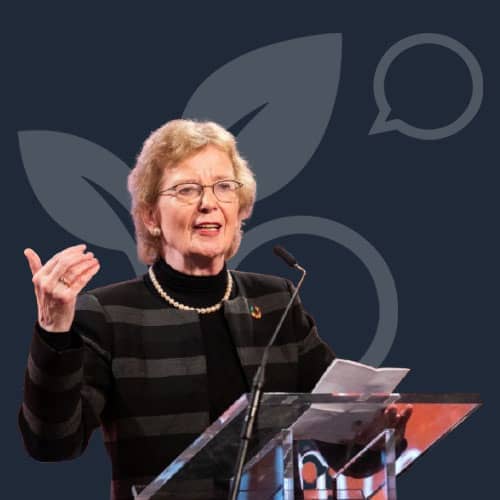
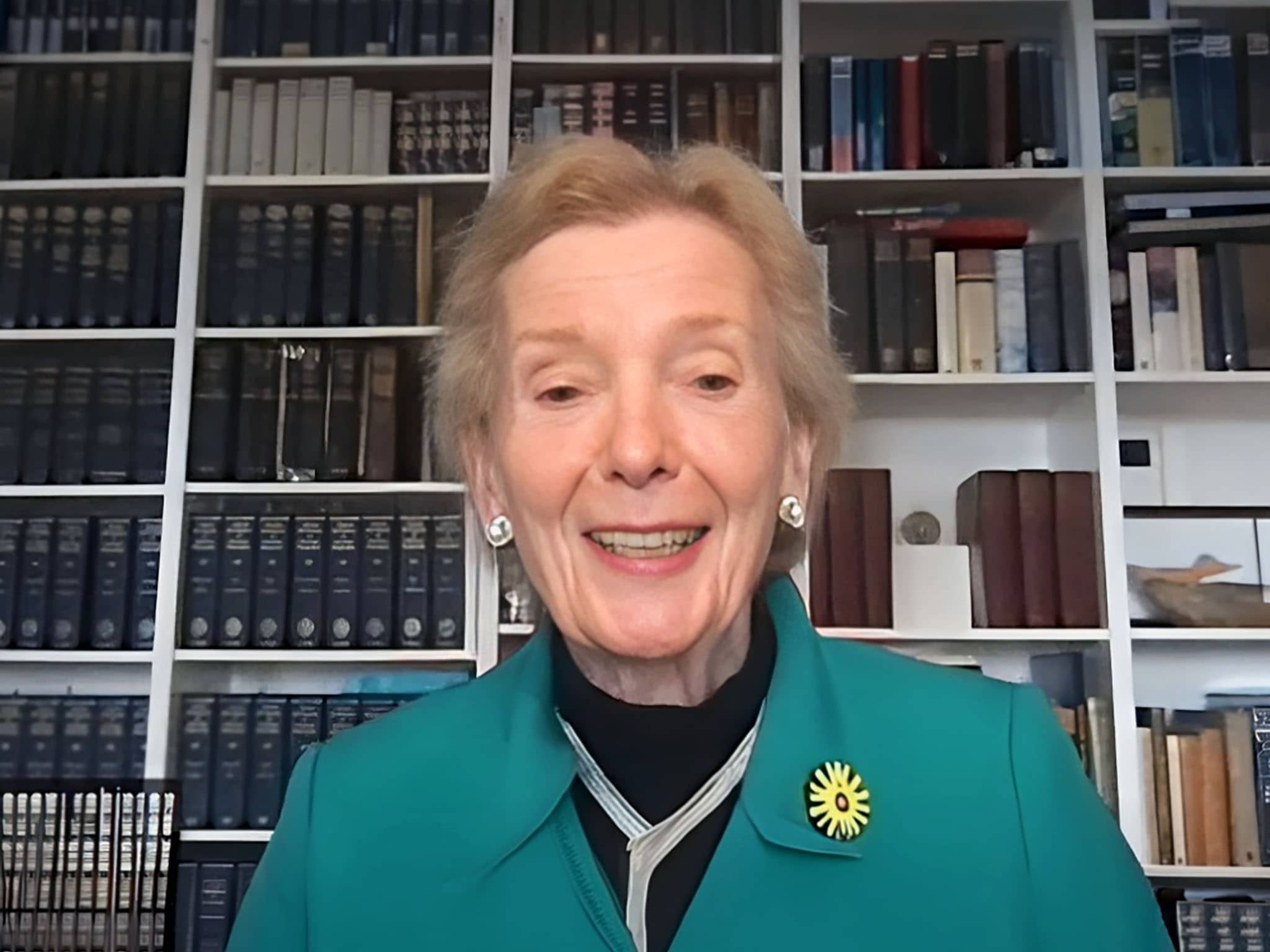
Former President of Ireland and former UN High Commissioner for Human Rights
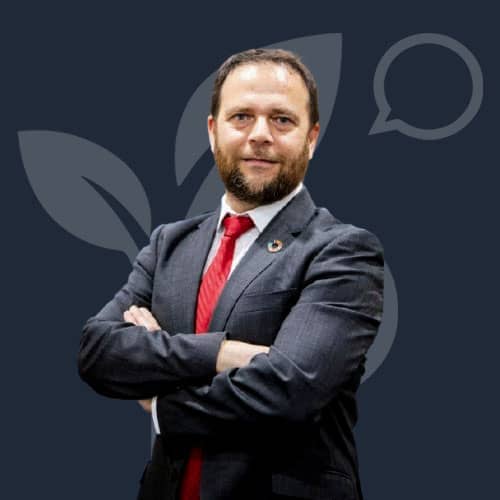
Senior Strategy Advisor on Global Agriculture and Food Security Program for GAFSP, Former Chair of the World Food Committee, and former Ambassador-at-Large for Global Food Security, Ministry of Foreign Affairs, European Union and Cooperation of Spain
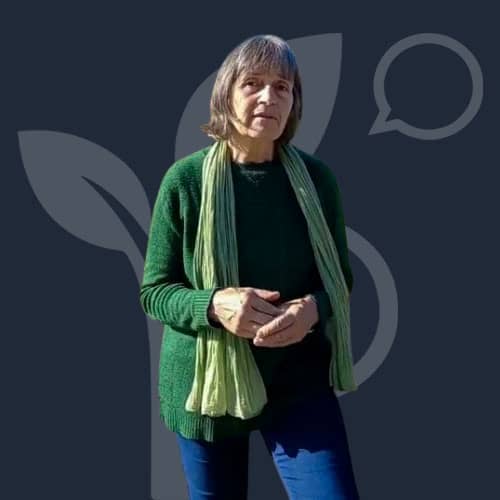
Member of the Working Group on the Declaration of the Rights of Peasants and Other Rural Workers
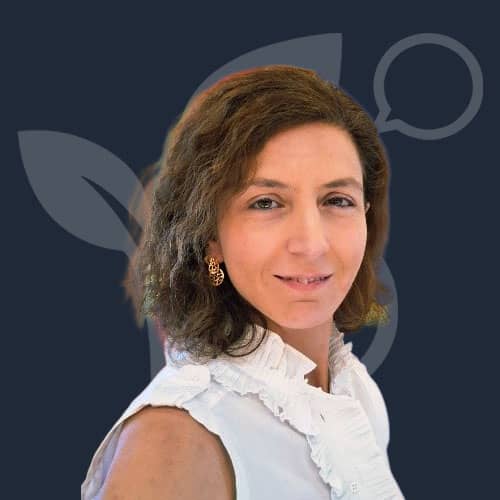
Head of the Rural Development, Agriculture, Food and Nutrition Security Division at the Spanish Agency for International Cooperation and Development
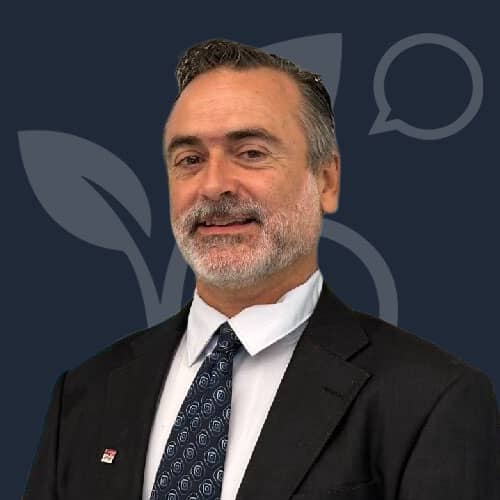
Right to Food Lead, Food and Agriculture Organization (FAO)

The Institute for Social Accountability (TISA), Right to Food Coalition Kenya

Landworkers Alliance UK, Civil Society and Indigenous Peoples Mechanism (CSIPM) Coordinating Committee
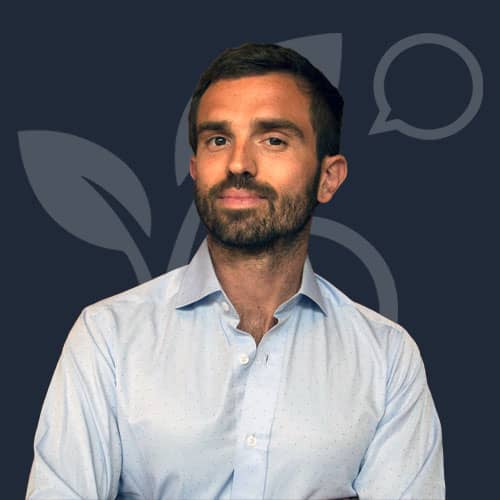
Associate professor in International Environmental Law at the University of Antwerp

Deputy Head of Unit Sustainable Agri-food Systems, DG INTPA European Commission
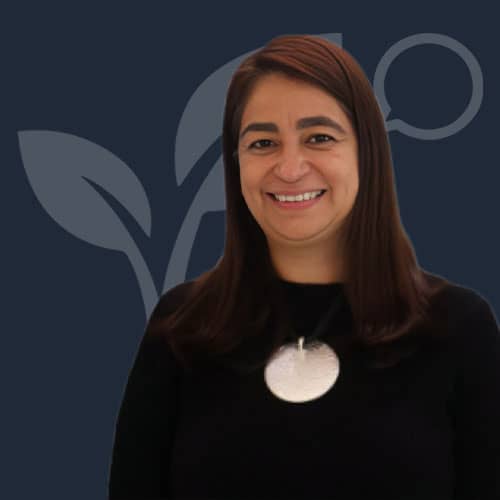
Secretary, Committee on World Food Security

Member of the European Parliament
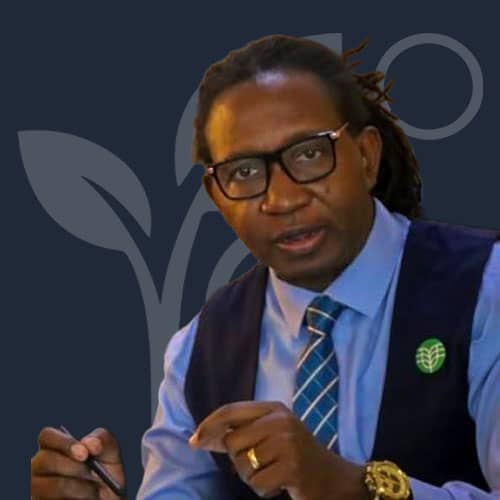
Country Director for the Central African Republic - Welthungerhilfe (WHH)

Farmer and General Coordinator - La Via Campesina

Member of AbL in Germany, member of ECVC
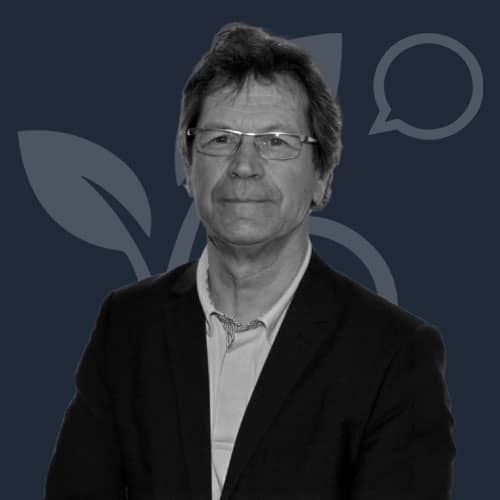
President, AGTER

Member of the European Parliament

Editor for EU agriculture and food policies at Euractiv
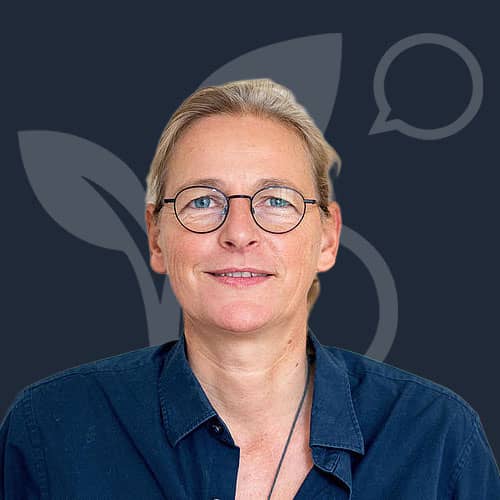
Directrice générale, Food Watch France
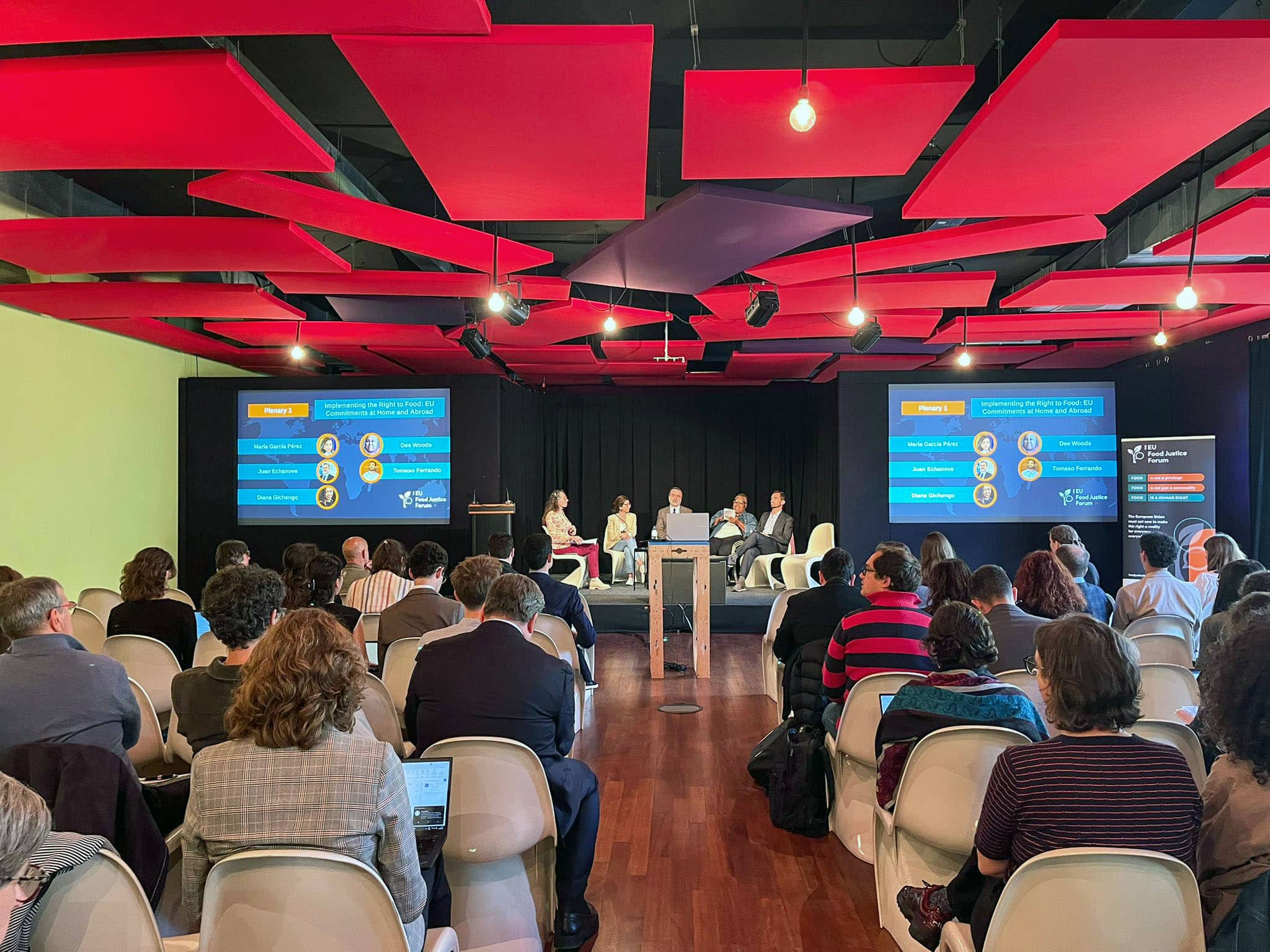
In a context of escalating geopolitical instability and shrinking public funding, this plenary will reaffirm a clear message: the right to food is not optional and must continue to guide decision‑making, even under pressure.
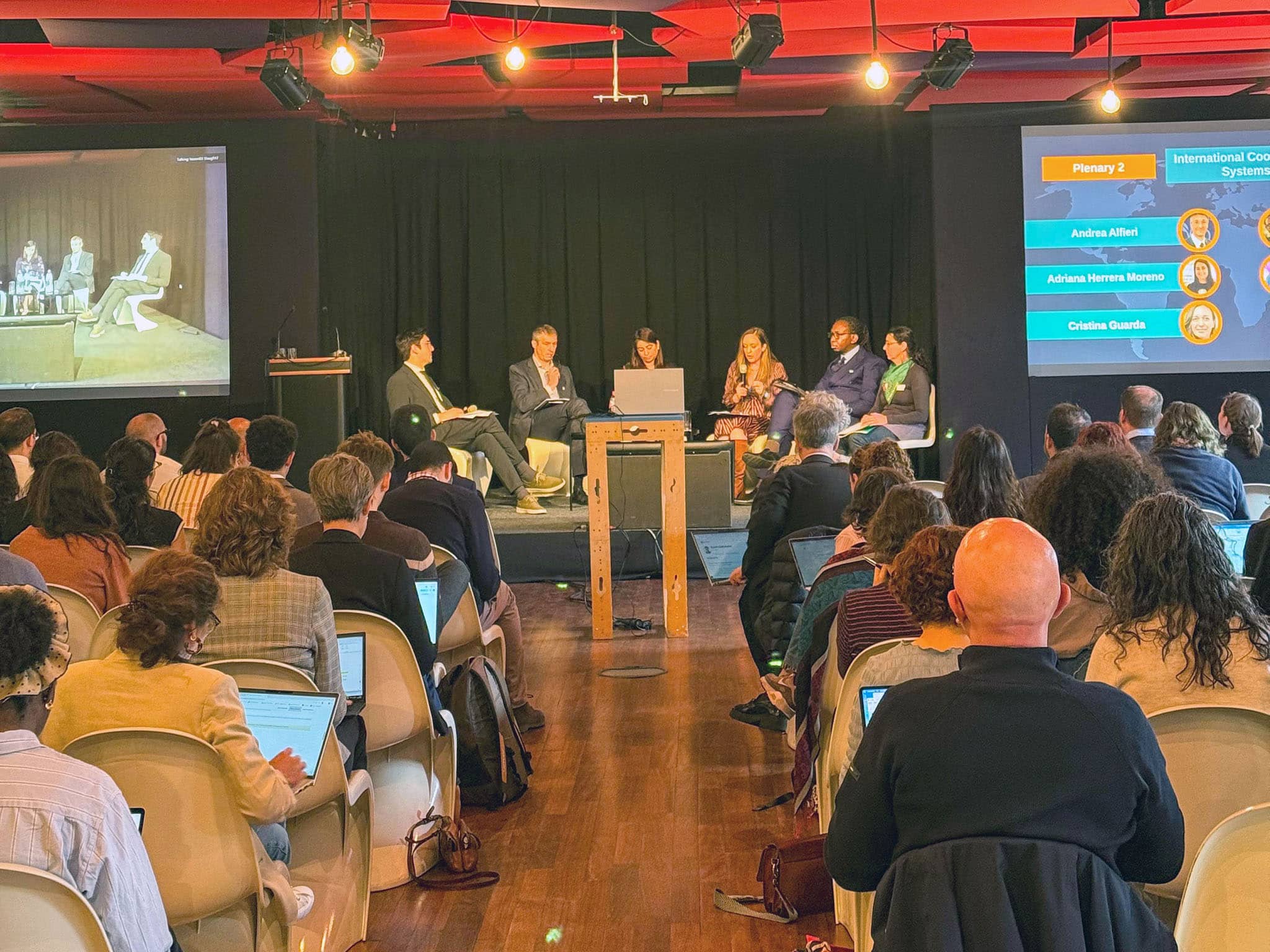
It will take stock of the European Union’s existing commitments across treaties, policies and legislation, spotlighting key gaps and the urgent need for stronger policy coherence. The discussion will examine how EU policies translate into responsibilities beyond its borders, highlighting the implications for the realisation of the right to food globally, particularly in terms of coherence, credibility and accountability. The session will also emphasise the role of citizen engagement in driving change and will conclude by exploring how to strengthen oversight mechanisms so that civil society can effectively fulfil its watchdog role.
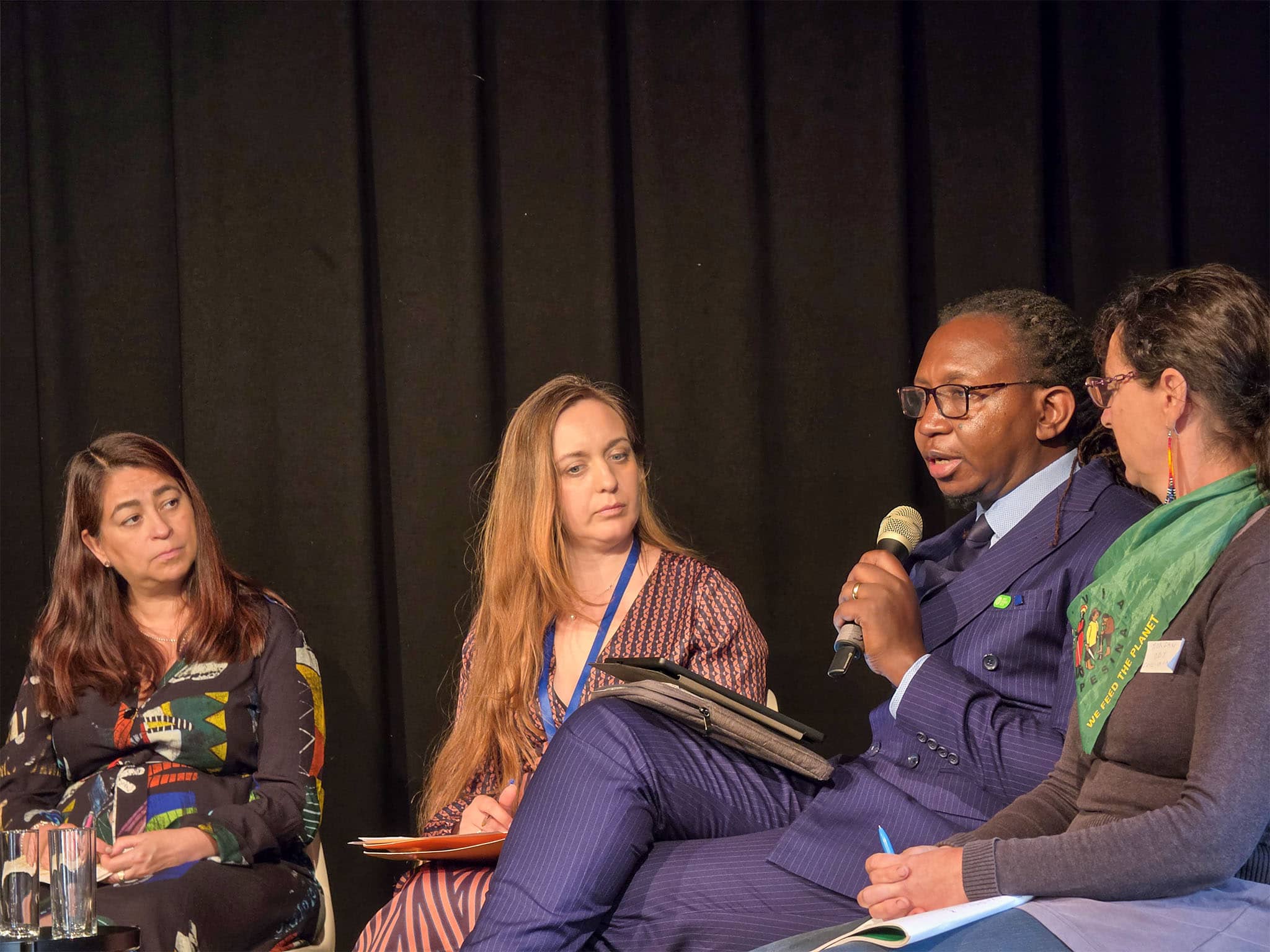
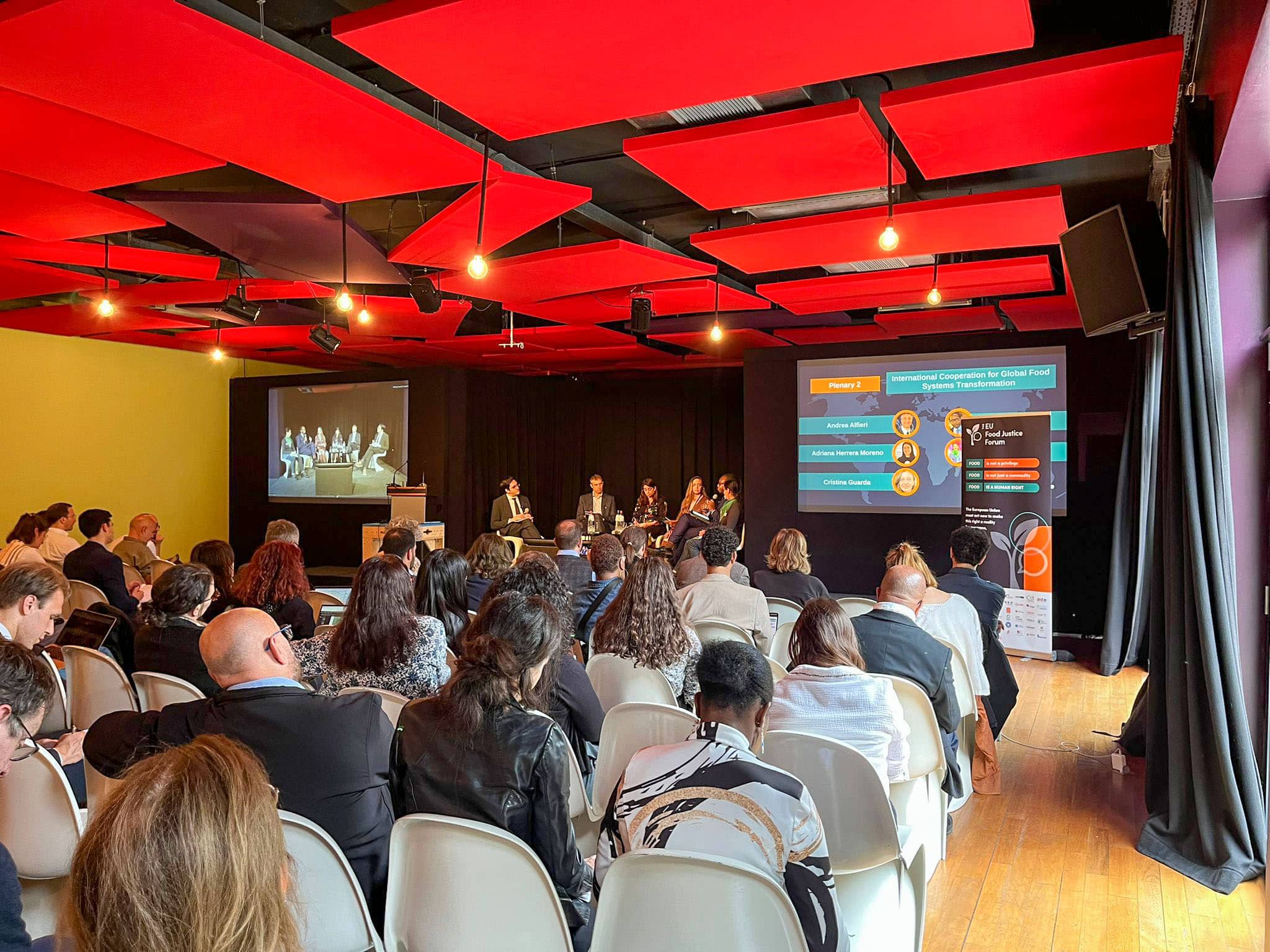
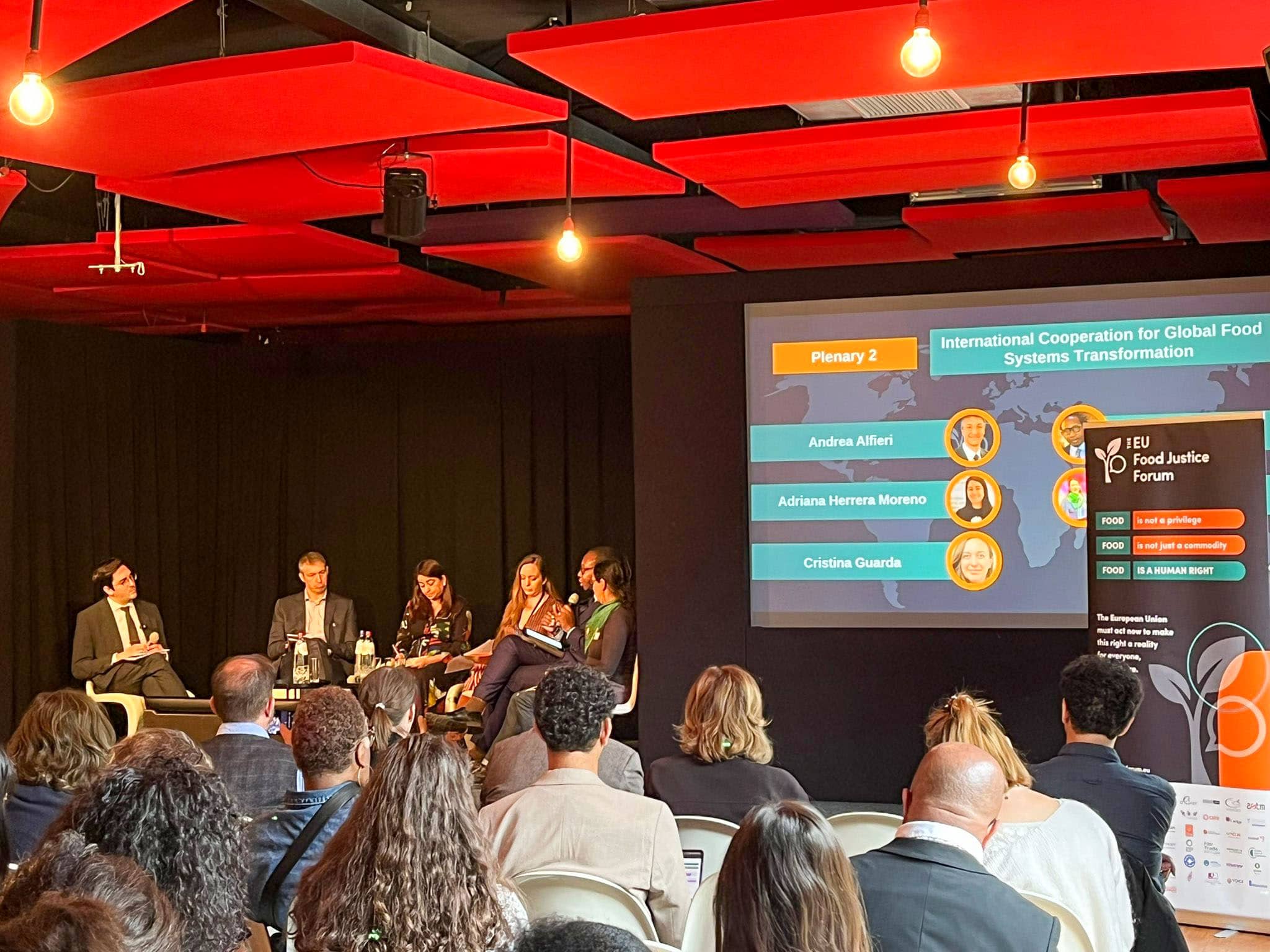
At a time of deepening and interconnected global crises, international cooperation can play a decisive role in driving the transformation of food systems worldwide. This session will make the case for placing food security, nutrition and sustainable food systems at the heart of EU external action, examining how stronger coherence across development, trade, climate and agricultural policies can support smallholder livelihoods and reinforce local food systems across regions.
The discussion will highlight concrete policy pathways and strategic adjustments needed to advance a more just and resilient global food system. Grounded in the right to food, it will underline how transformative change depends on inclusive and cooperative decision‑making across sectors and geographies, recognition of global interdependencies, and the meaningful participation of those most affected by food insecurity.
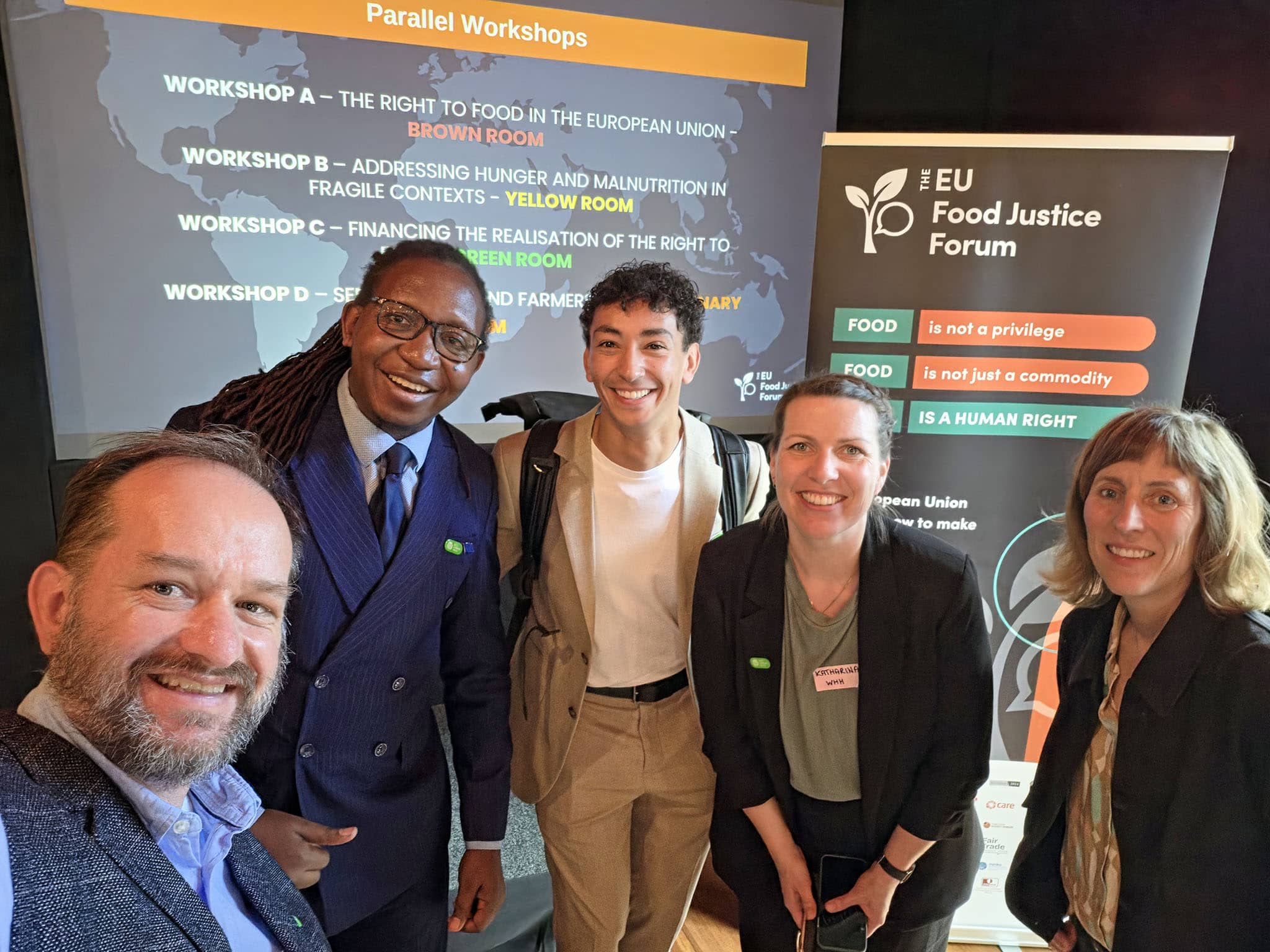
Participants will register for and attend one workshop.
This workshop will offer an interactive space to explore how a rights‑based approach can drive meaningful change in EU food policies. Through a world‑café format, participants will discuss concrete policy options and mobilisation opportunities - from access to food and public procurement to the common agricultural policy (CAP) and the European Citizens’ Initiative on the right to food - and identify key opportunities and challenges for advancing the right to food across the Union.
As conflicts deepen and respect for International Humanitarian Law erodes, malnutrition is rising while resources to address hunger are diminishing. In fragile contexts marked by conflict and rights violations, the right to food is increasingly at risk, fuelling instability and undermining prospects for peace and social justice. By engaging participants in an open exchange, this workshop will examine why stronger EU action is urgently needed and what it means to protect the right to food in such settings. It will explore policy frameworks, the consequences of cuts to aid, and the crucial role of local organisations, particularly women‑led groups, who are often the first responders. By linking these discussions to the EU’s next Multiannual Financial Framework and its approach to fragile settings, the session will put forward concrete recommendations to strengthen EU leadership.
Financial markets increasingly shape how food is produced, traded and consumed, transforming it into a global commodity and financial asset detached from local ecosystems, communities and the right to food itself. As land and agriculture are treated as investment opportunities, smallholders, food sovereignty and equitable access to nutrition are placed at risk. At the same time, the reshaping of development cooperation, accelerated by ODA cuts and the EU’s Global Gateway strategy, enables commercial, growth‑oriented models heavily reliant on private investment and global value chains.
This workshop will examine what these shifts mean for nutrition and food security, and explore financing approaches grounded in a right‑to‑food framework that align financial flows with social justice, sustainability and human rights.
This session will examine the implications of the EU’s ongoing debates on seeds legislation, notably the proposals on Plant Reproductive Material (PRM) and New Genomic Techniques (NGTs), at a critical political juncture. It will explore how these frameworks risk undermining agrobiodiversity, farmer‑managed seed systems and breeder autonomy, while accelerating the concentration of power among multinational seed and agrochemical corporations.
The discussion will also address the global repercussions of EU seed policies, particularly in the Global South, where diverse, farmer‑led seed systems remain central to food security and climate resilience but are increasingly threatened by restrictive intellectual property regimes such as imposition of UPOV 91 by EU in its bilateral trade negotiations with countries in the global south (e,g, Zimbabwe and Philippines). The session will create space to connect EU and global struggles, strategise advocacy, and explore international cooperation to defend seed diversity and farmers’ rights.
Agrarian reform and land issues are central to realizing the right to food through agroecology. Following the ICARRD+20 (International conference on agrarian reform and rural development) that took place in Colombia in February 2026, pushed by many social movements around the world, this forum an opportunity to promote the idea of agrarian reform in the EU. The session will touch on key levers in the European context to regulate land transfers (the European land observatory and the EU directive on land notably).
It has become imperative for Member States to halt the expansion of large-scale farms and reverse this trend, as their practices are detrimental to employment, the environment and public health. These farms pave the way for non-farmers to take control of an increasing proportion of European agricultural land, of which one million hectares are, moreover, lost each year to urbanisation. This development is detrimental to the growth of small-scale agroecology focused on the well-being of society, which is essential for addressing environmental crises (climate, biodiversity, pollution), health crises (cancer, cardiovascular disease, etc.) and economic crises (the decline in added value and the number of jobs per hectare that characterises corporate agriculture).
While seeking to offer a comparative perspective drawing on the contexts of Eastern Europe and Western Europe, the session will also underline how agrarian reform in the EU is about international solidarity, given Europe’s dependency on imports and the landgrabs this dependency is driving around the globe. This panel will center the perspectives and demands of peasant farmers’ organisations and land rights experts.
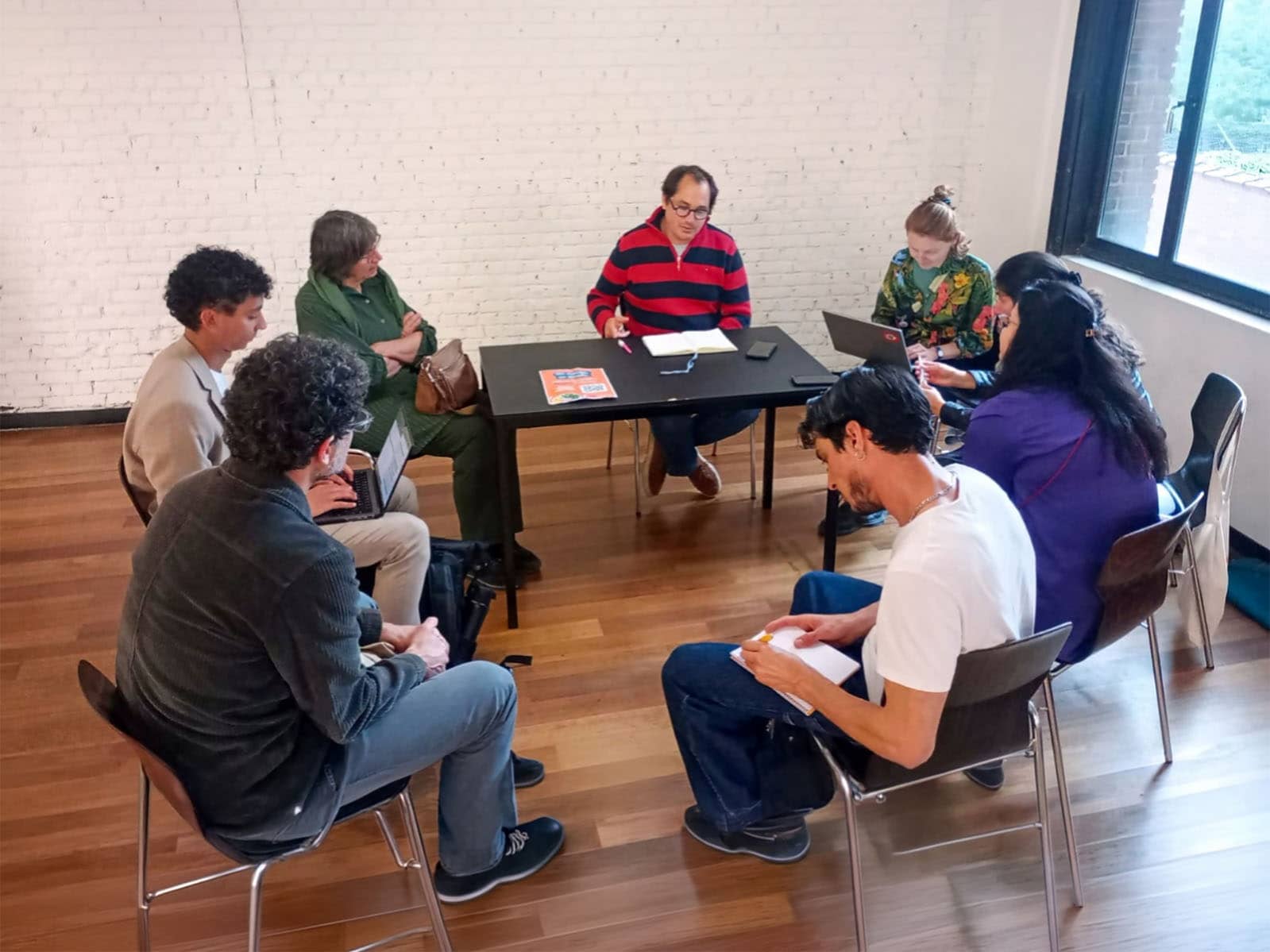
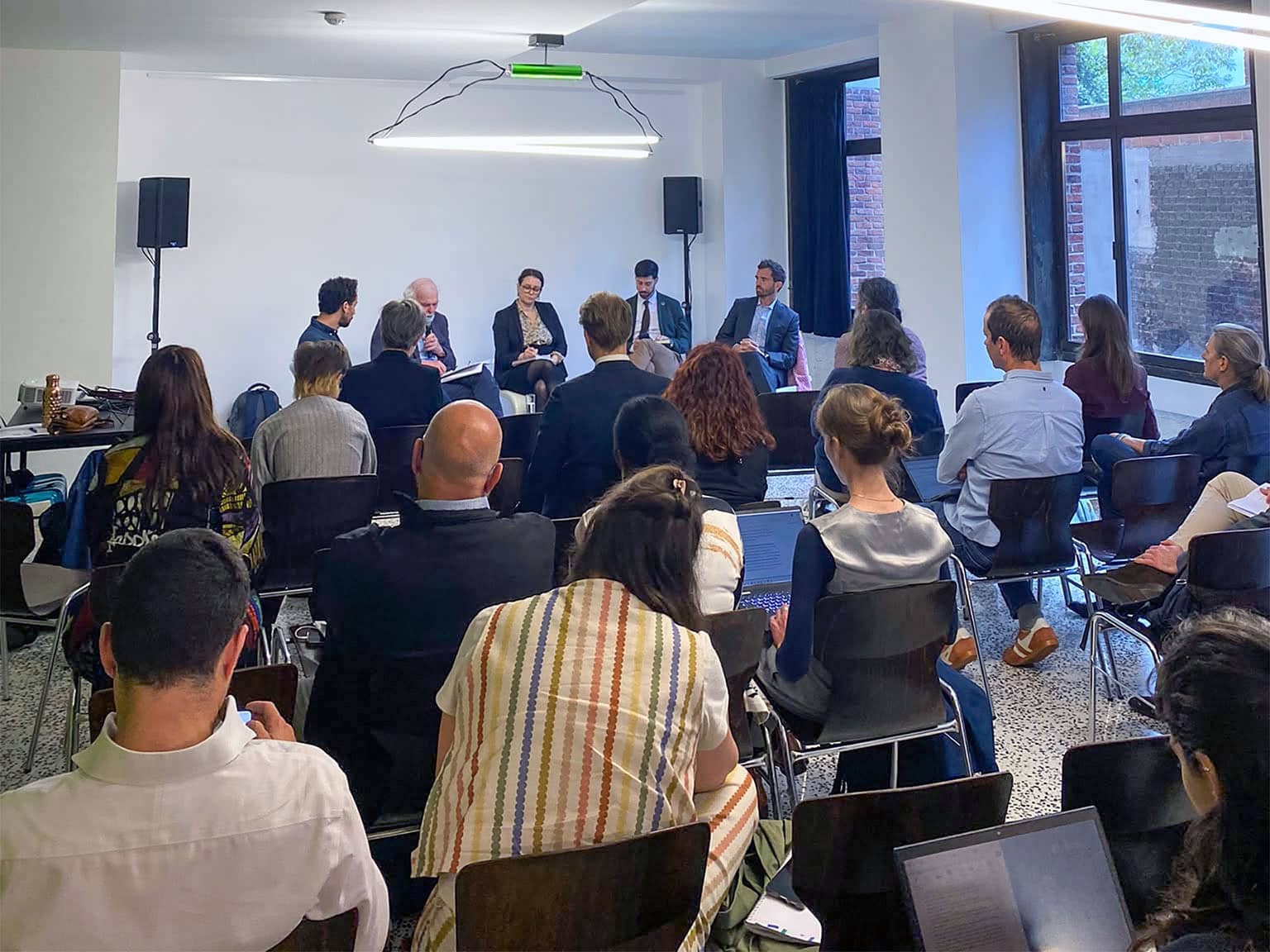
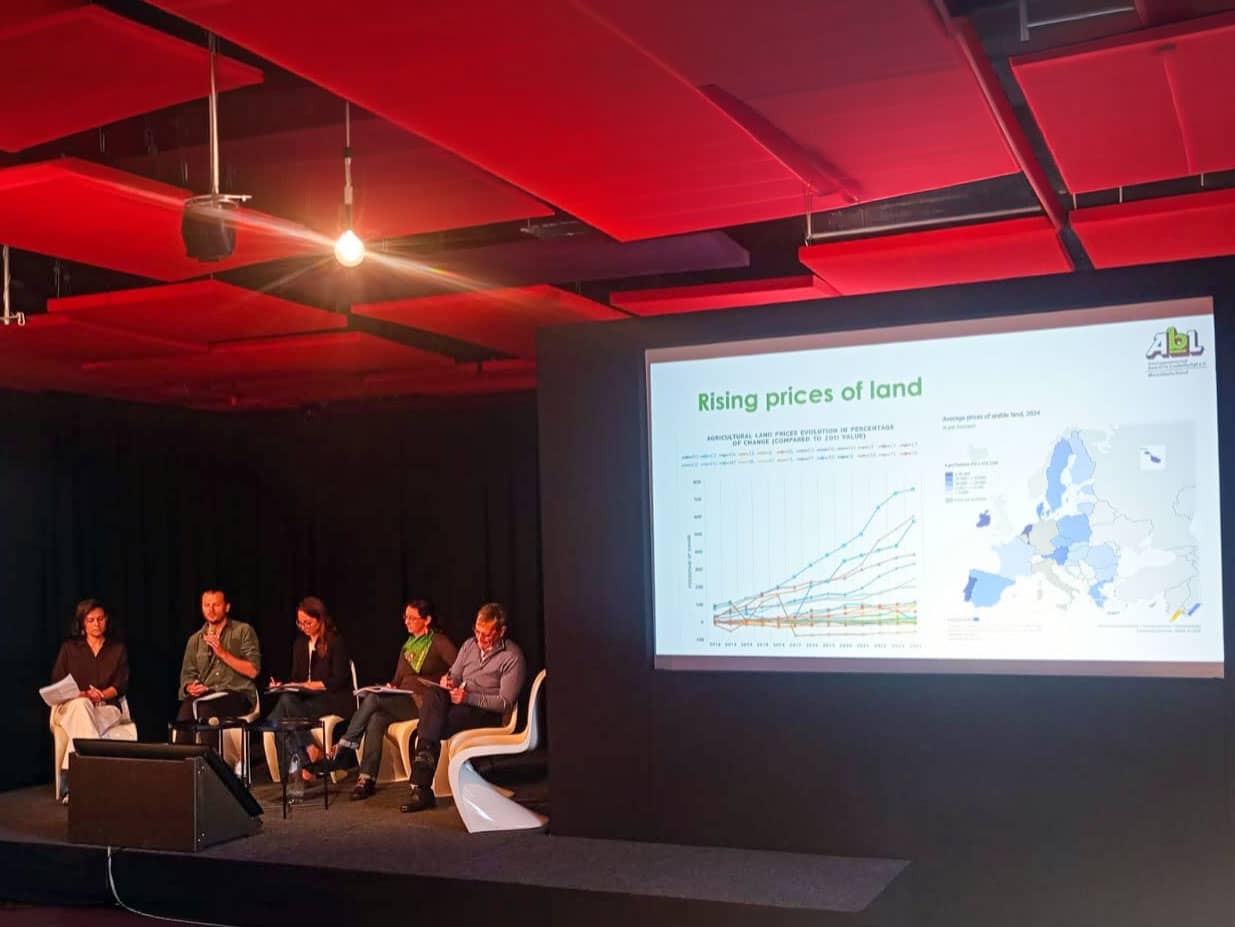
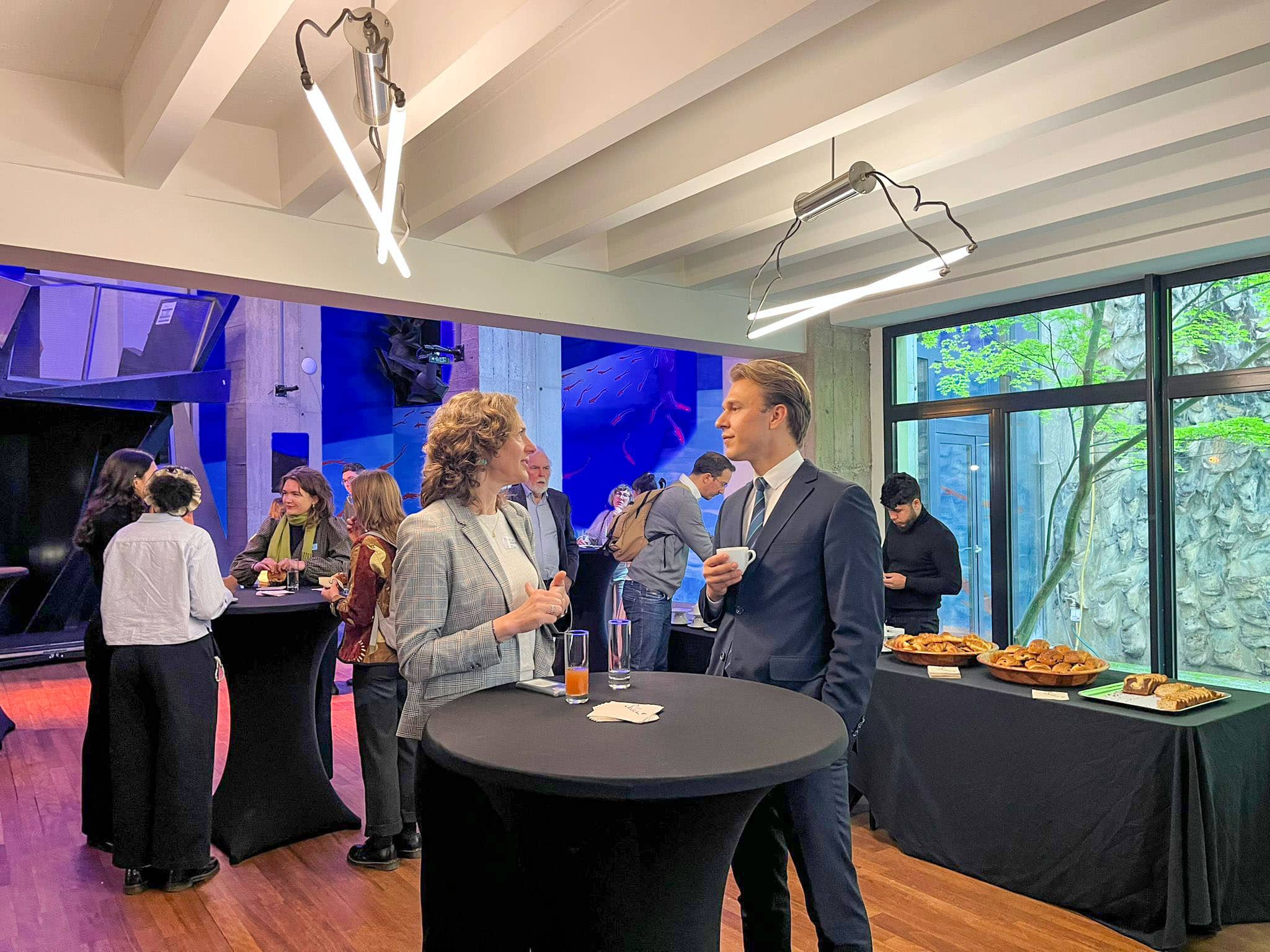
Gallery

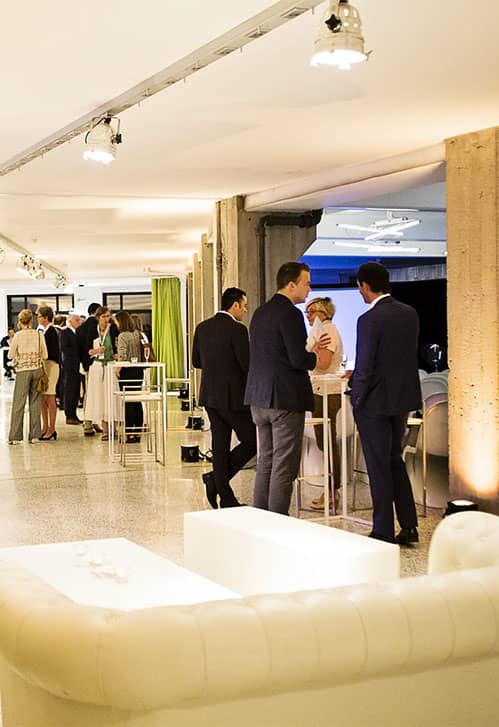
AREA 42, 46 rue des Palais, 1030 Brussels
For plenary 1, 2 and 3, join online here
(Zoom Meeting ID : 868 9192 1860 | Secret code: 041662)
For workshop D use this link to join online after registrations

9 June, 2026

9:30am - 5:30pm






























You can act today by signing the European Citizens’ Initiative “Food is a Human Right for All!”. This initiative calls on the EU to make the right to food a reality by integrating it into EU laws and policies - both within Europe and beyond.
Sign nowYou can still make a difference. Share the initiative with your friends, colleagues, and networks who are eligible to sign.
If you have a question, drop us a line.
AREA 42, 46 rue des Palais, 1030 Brussels


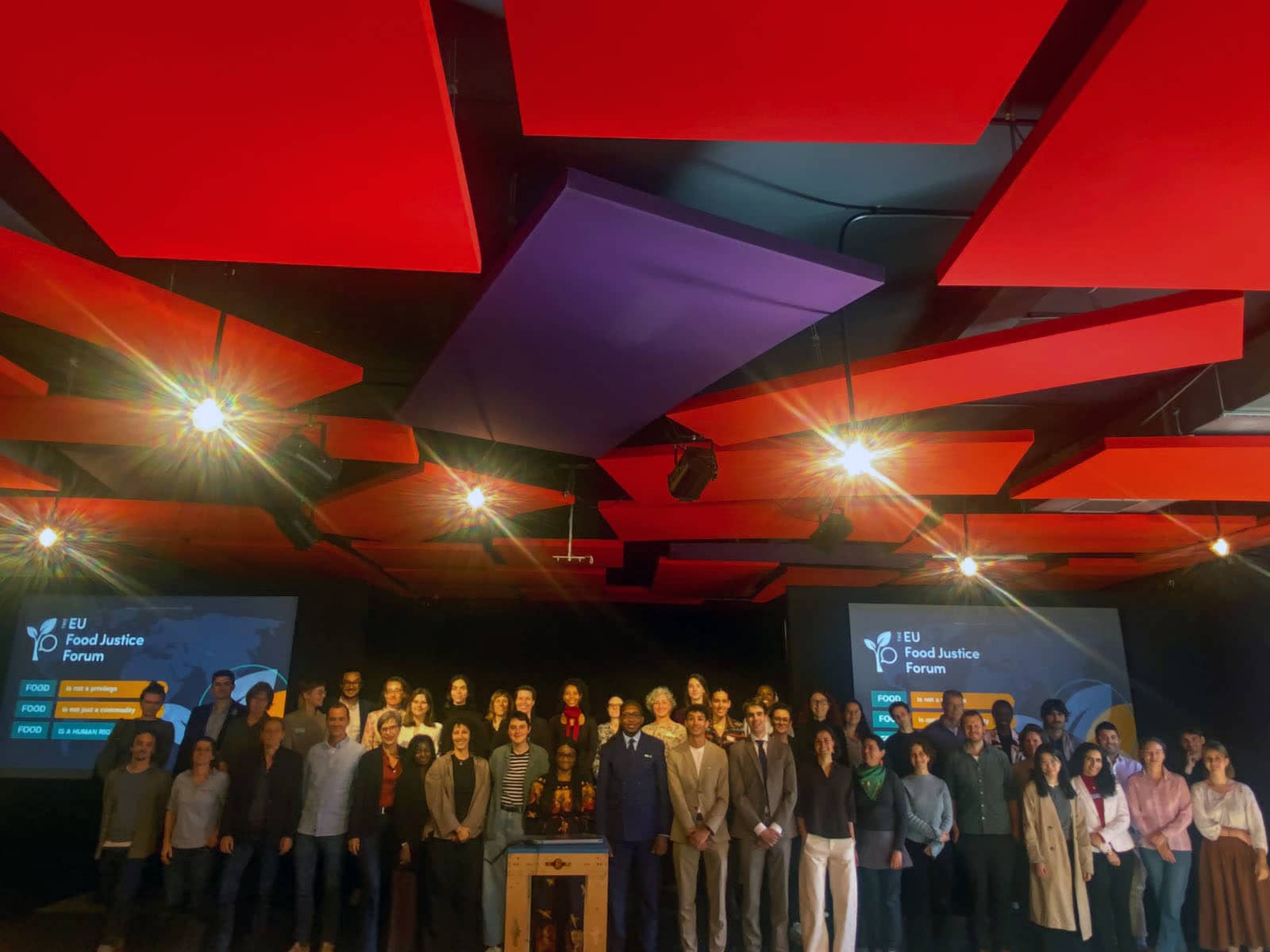
This forum is a high-level civil society-led gathering in Brussels bringing together representatives of EU institutions, Member States, civil society organisations, academia, farmers’ organisations, workers’ unions and international partners.